Roofing Rules in Ohio: What Cleveland, OH Homeowners Should Know
Replacing a roof in Cleveland, OH brings a handful of rules into play: a city permit, contractor registration with the city, a short window to cancel some home sales, and the fine print of your own insurance policy. This page sets them out for homeowners across Cuyahoga County, drawn from official city and state sources.
The Short Answer
Ohio sets no statewide license for people who roof houses, so most of the rules that matter come from the city where the house stands. State law adds a few protections that follow you anywhere in Ohio, and your insurance policy sets the rest. This is a summary of public law, not legal advice.
Checking a Roofer's Registration
Ohio's state trade licensing reaches work such as electrical, plumbing and HVAC, but not roofing, and a bill that would cover commercial roofing is still only a bill. The paperwork that counts here is local. The City of Cleveland puts its rule in one line: "To build or rehabilitate Cleveland homes, contractors must be bonded, insured, and registered."
An owner who lives in a one- or two-family house in the city may do the work without registering, though the permit is still required. That helps owners of Cleveland doubles who take on their own projects. Most people hire out a full replacement, and then the roofer's standing with the city is the thing to check.
Most suburbs on this site also make contractors register before work begins, including Parma, OH, Strongsville, OH, Cleveland Heights, OH and Mentor, OH, and Westlake, OH keeps a public list of contractors. Ask the roofer which city it has signed up with, then check that answer with the building department yourself. While you're at it, ask to see current liability and workers' compensation coverage, a fixed local address, and both warranties in writing.
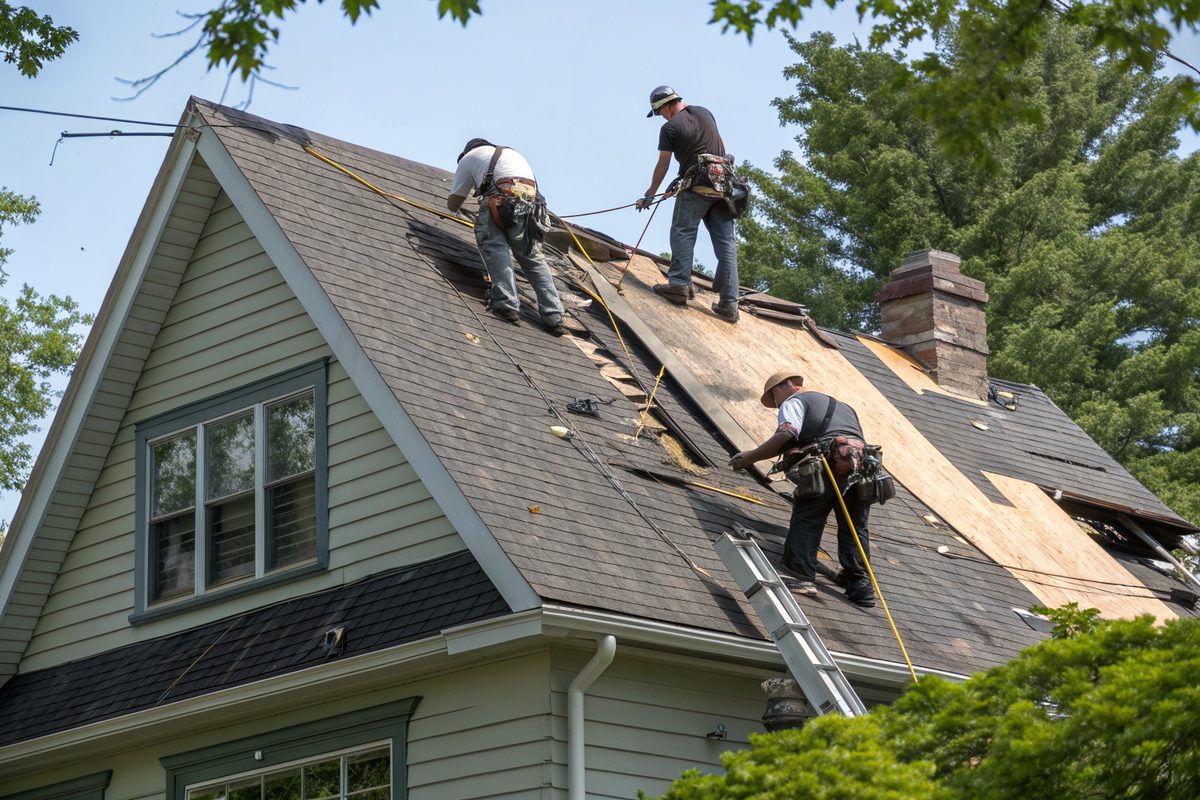
Watch for Deductible Offers
Every homeowner's claim comes with a deductible, and paying it is the homeowner's job. Many Ohio policies also carry a separate deductible for wind or hail, and some set that one as a percentage of the home's insured value rather than a flat dollar amount. Find the figure on the declarations page of your policy now, so it isn't news after a storm.
Ohio has no statute written about deductible deals. Even so, a roofer who offers to "cover" or "waive" your share while billing the insurer the full price is waving a red flag. Telling an insurer a job costs more than it does can be insurance fraud, and the claim carries your signature, not the roofer's.
Public adjusters are a separate profession: in Ohio they need a certificate from the Ohio Department of Insurance, and a roofer is not one. The department's guidance is direct: "Do not give a contractor Power of Attorney over your affairs, or permit them to negotiate or settle your insurance claim." A roofer can document the damage and write an estimate. Settling the claim is up to you and your insurance company, or a certified public adjuster or attorney you choose to hire.
Cancellation Rights
Ohio's Home Solicitation Sales Act, starting at Ohio Revised Code 1345.21, covers sales made at your home after a seller's visit, such as a door-to-door pitch or an in-home sales appointment. Sign that kind of contract and you have three business days to cancel it. Keep a copy, and note the date you signed.
Ohio law gives no extra cancel right when an insurer turns a claim down. If you sign with a roofer before the insurer decides, read what the contract says about a denied or reduced claim first.
A sound roofing contract names the price, the scope of work, the materials, a start window and who pulls the permit. On a two-family house, it should list both units' roofs and the gutters. Ask where ice-and-water shield goes and how the attic will be ventilated. Ohio sets no cap on deposits, so spread payments across the job's milestones and treat a big upfront ask or a cash-only deal with caution.
Storm-Resistant Roof Programs
Ohio has no state roof grant program that this site can point you to. What does exist sits with private insurers: some give a premium credit for impact-rated shingles, often sold as Class 4, or for a roof built to resist wind, each on its own terms. Ask your agent what qualifies before you choose a material, and mention it when you request an estimate so the roofer can price both options. A credit is never guaranteed.
City Permits and Local Rules
Cleveland's Department of Building & Housing says it plainly: "a residential permit is required to reroof." The roofer normally pulls it, and an owner-occupant doing the job can apply too. Fees and timing change, so they aren't listed here, and whether the old layers get stripped is settled between the roofer and the permit office. In an older part of the city, ask whether your street is in a landmark district, since design review may apply.
Each suburb runs its own office with its own forms:
For complaints about a roofer's business practices, the Ohio Attorney General's Consumer Protection Section is the place to go. Cleveland permit or contractor-registration questions go to the Department of Building & Housing, and suburban ones to that city's building department.
What Homeowners Ask About the Law
Does a roofer in Cleveland need a state license?
No state license exists for home roofing in Ohio. The requirement that matters is local: Cleveland wants contractors bonded, insured and signed up with the city before they work on homes there. Ask the roofer for its city paperwork and check it with the Department of Building & Housing, or with your own suburb's building department.
Can I replace the roof on my own Cleveland double?
An owner who lives in a one- or two-family house in Cleveland may do the work without registering as a contractor. The permit rule still applies, and the job is inspected like any other. Most owners hire out a full replacement because of the height, the steep pitch and the tear-off, but the choice is yours.
If the insurer turns down my claim, can I back out of the roofing contract?
Ohio law has no special cancel right tied to a claim denial, so your options depend on the contract. Read it before you sign and ask how a denied or reduced claim would be handled. The separate three-business-day right covers sales made at your home after a sales visit, whatever the insurer later decides.
How many layers of shingles can stay on the roof?
Parma, OH's roofing permit form says no more than two total layers are permitted. Elsewhere, the choice to strip old layers rests with the roofer and the permit office. A full tear-off also lets the roofer see the wood deck and replace soft boards that an overlay would hide.
Sources
Official pages read on 2026-10-10. Rules and forms change, so confirm anything important with the office itself.
Ask About Your Situation
When you're ready, use the form to request an estimate from a local roofer, and bring these questions to the visit. The site is a free referral service: one independent roofing company receives your request and pays the site a fee for it, while you pay nothing and get nothing from the site. For planning numbers first, see the Cleveland roof cost guide.